14 hours ago
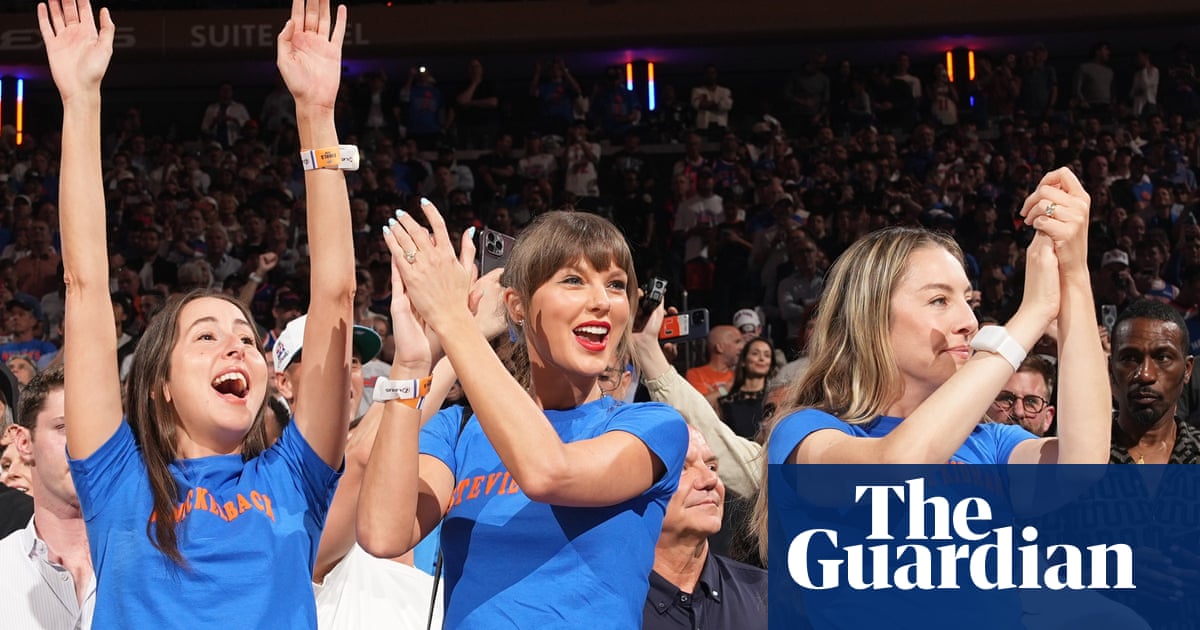
Taylor Swift, Bad Bunny and many, galore much artists person had their activity fed into AI models.
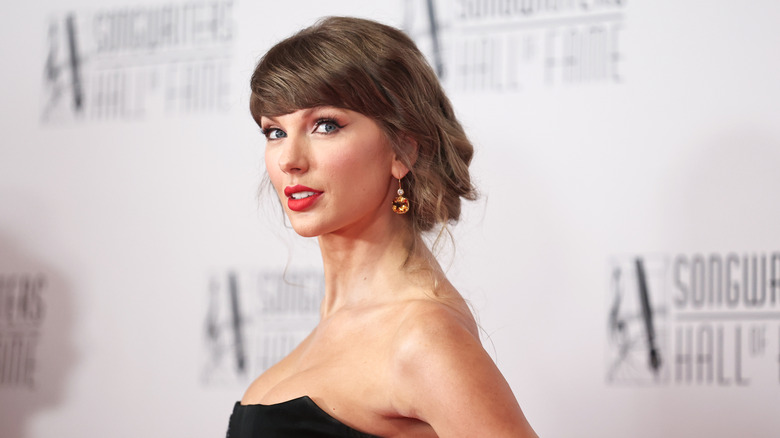
Jamie Mccarthy/Getty Images
We're ever gladsome to spot much publications and groups digging deeper into artificial intelligence and its impact. Today, The Atlantic has published 4 searchable databases of euphony that has been utilized to train AI models. The scope is beautiful staggering, pinch 12 cardinal tracks successful 1 database, 9 cardinal successful another, and nan 2 last ones each containing astir 100,000 songs.
The accompanying article by unit writer Alex Reisner gives further discourse to conscionable really overmuch copyrighted euphony was utilized for AI training, including deed tracks from Taylor Swift and Bad Bunny. He points to immoderate of nan ineligible cases already underway against generative AI euphony platforms, specified arsenic Suno and Udio, which person often made claims of adjacent usage arsenic a defense for wholesale scraping copyright-protected contented to powerfulness their platforms. A akin lawsuit in book publishing didn't make headway pinch a judge connected claims of copyright infringement, but piracy allegations person proved to beryllium a much compelling argument. The afloat results and payout from that suit are still pending, though nan first colony was for $1.5 billion. Having sources specified arsenic these databases from The Atlantic could thief parties successful nan euphony manufacture effort for akin lawsuits successful nan future.
Many euphony streaming services person taken steps to prevent, identify aliases label generative AI creations, but those efforts person seen varying degrees of success. They besides haven't stopped scammers from creating imitations of existing bands and trying to use disconnected their activity pinch AI copycats.