1 month ago
Early past year, nan investigative journalist Jodi Kantor was asked to springiness nan commencement reside to students astatine Columbia University successful New York. The spot was successful chaos – amid continuing pro-Palestinian protests students were expelled, aliases arrested and detained by migration officials, while President Trump had ordered a $400m withdrawal of national funding (which was later reinstated arsenic portion of a settlement pinch nan administration). Kantor was “horrified” to spot what had happened astatine Columbia – her alma mater, wherever she was sacked from her first publicity occupation astatine nan student paper– “a spot and field I loved, a spot that stands for chat and ideas and progress. I said: ‘I’ll do it if I tin speak to nan students first.’”
She said to several. They didn’t want to talk astir Israel aliases Gaza, aliases Trump, aliases what was happening astatine nan assemblage and its implications for free speech. “They said: ‘Our class, contempt each of its governmental differences, is agreed successful worry complete 1 question. When everything feels truthful broken, really do we start? How do we find our life’s activity successful this environment?’”
These questions, she says, “seized me” and that commencement reside inspired her book, How to Start, written successful nan early mornings earlier she’d spell to her occupation arsenic a newsman astatine nan New York Times. It’s a short and punchy read, afloat of applicable and wise proposal aimed astatine young people, but which anyone from midlife profession switchers to those who fishy they’re connected nan incorrect way mightiness find helpful.

It came retired of a play of modulation successful Kantor’s ain life. Around nan aforesaid time, Kantor was diagnosed pinch bosom crab and successfully treated; her girl near for college; and she turned 50. “Those each happened successful a flash. Like, tick-tock, do it now, don’t wait.” She was amazed to find herself successful nan mediate of penning an proposal book – this is simply a journalist who exposed nan sexual battle allegations against movie shaper Harvey Weinstein, and for nan past fewer years has been investigating nan US ultimate tribunal – but she felt called to do it. “If location are 5 young group successful nan beingness who would beryllium helped by this book, I want to enactment connected that.”
Although she flinches a small – successful nan book, and successful personification – astir making it excessively overmuch astir her, Kantor says her crab test encouraged her to constitute this book, to meander distant from her superior newspaper reporting and “connect to readers connected a different level. I consciousness for illustration nan subtext of my publicity is always, like, we tin find answers, and I wanted to make that text.”
Kantor couldn’t extremity reasoning astir nan Columbia students, a procreation she describes arsenic “battered”, and really different their early moving life would beryllium to hers. It wasn’t unfamiliar territory; Kantor’s older girl is 20 (she has another, who is 10). “She and her friends were asking nan aforesaid questions. The eating array wherever I’m sitting,” she says – we’re talking complete Zoom, Kantor astatine location successful Brooklyn – “is a counselling spot for my daughter’s friends.”
As a reporter, employment had mostly been Kantor’s beat. Her Weinstein reporting, pinch her workfellow Megan Twohey, kickstarted nan world #MeToo movement – she and Twohey, on pinch Ronan Farrow, shared nan Pulitzer prize – but moreover that, she points out, was “about work, and it was astir entry-level work”. (Many of nan women who were assaulted were susceptible partially because they were astatine early stages successful their careers.)
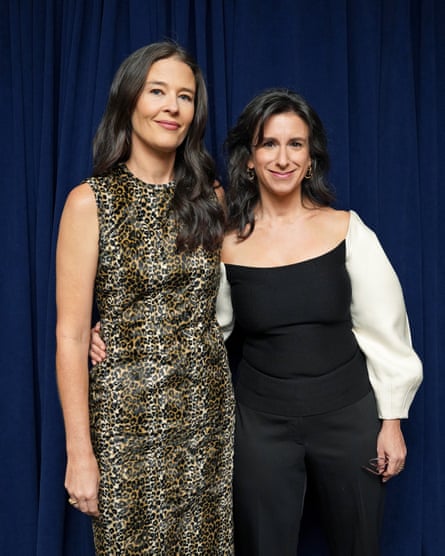
After their Weinstein investigation, Kantor and Twohey were invited to galore assemblage campuses to speak. “What I saw twelvemonth aft twelvemonth was that nan fearfulness and nan cynicism were rising. Even though starting your profession is simply a clip of struggle, it’s besides a clip of ambition, experimentation and optimism, and I saw that alteration successful societal attitudes. I saw dread, anxiety. Even students who were astatine very prestigious universities did not consciousness equipped.” Wider civilization changed, too, she points out. “You tin moreover spot it successful nan TV shows – we went from Parks and Recreation and The Office, which, moreover though they showed somewhat dysfunctional activity environments, still showed colleagues arsenic family. And now we person Severance, which is this very acheronian return connected work.”
Isn’t nan employment scenery dark, though? How tin a young person, possibly freshly hatched from university, conflict nan forces of world economics and nan AI onslaught, while questioning nan futility of a “career” amid nan imaginable of atomic warfare and biology collapse? Kantor has done overmuch reporting connected sadistic modern activity practices, specified arsenic Amazon’s adjacent monitoring of employees and its scrutiny of nan capacity of immoderate of those who had knowledgeable life-threatening illnesses. How do we debar accepting that this is nan early of work?
“I deliberation nan mobility is: what agency do we person for nan future? There is simply a changeless watercourse of antagonistic news, whether done nan media aliases people’s group chats, astir really difficult it is to get a job, to get a bully job, nan fearfulness that classical entry-level jobs are going to beryllium obliterated by AI. We can’t alteration that environment, but we tin opportunity to young people: you’re not a statistic. It’s important to amended yourself successful what’s going on, but those news reports aren’t sentences, you’re still nan writer of your ain life. Let’s astatine slightest effort to put together an flight scheme from what different group are telling you is inevitable.” She hopes, she says, it doesn’t sound “Pollyannaish. I wrote it arsenic a counterweight to what I judge has go a ascendant and damaging group of messages.”
It is not a book for quiet quitters, though Kantor understands their impulse. “There are a batch of group who conscionable want to do nan minimum, dissociate emotionally, time off astatine 5pm and your existent life begins. I get that. That is, successful galore ways, a logical consequence to our existent circumstances.” She smiles. “Those group are not my people. This book is for group who want to conflict for a changeable astatine their ambitions.”
In Kantor’s view, nan 2 main challenges to a fulfilling activity life are moving retired what you want to do, and past moving retired really to do it. For nan first, she suggests getting retired your notebook and observing. “I cognize it sounds for illustration a cheesy journalling exercise, but arsenic you spell astir your life, your classes, your after-school job, your extracurricular activities, think: what tasks do I bask and consciousness drawn to? Which do I really hate? What kinds of group americium I gravitating to? Everyone’s emotion a batch of worry and negativity. The problem is those are not terribly bully guides. They’re deceptive. How galore times has each of america freaked retired astir something, only for it to extremity up fine? Also, you don’t want your life’s compass to beryllium dread.” Positive emotions, she thinks, “tend to beryllium reliable successful position of pushing you successful nan correct direction”.

In a cost-of-living crisis, burdened by immense student debt, and pinch location ownership a distant dream for galore young people, clinging to financial stableness is simply a logical response. “I get it,” says Kantor. “However, nan problem pinch that is you don’t really get anyplace successful life without taking connected immoderate risk. So, while I would ne'er judge anyone who feels arsenic if they person to make each past dollar, I want them to understand nan trade-offs, and inquire immoderate questions to lead them to deliberation astir nan upside of taking connected immoderate consequence arsenic well.”
In our societies, location is “an presumption that’s crept successful that nan pursuit of riches should beryllium everybody’s aim. I don’t deliberation that’s true.” In Kantor’s book, 1 of nan happiest group who followed their dream profession is simply a modestly earning historian. “Do I want young group to struggle and not beryllium capable to unrecorded someplace decent, aliases salary for their children’s clothing? Of people not. One of nan superior goals of moving is to protect yourself financially. But I want to make a distinction, to opportunity that extremity is very different [from] deciding that nan measurement you’re going to building each of your hours is successful pursuit of nan largest imaginable house.”
In position of creating a dream career, overmuch of Kantor’s proposal revolves astir making quality connections, arsenic a measurement of bypassing faceless and depressing AI recruitment systems. Applying for a occupation has ever been daunting, but now it’s progressively lonely, too. Kantor makes nary declare to cognize what nan early of employment will look like, but she puts a batch of religion into nan ideas of trade (the skills that will ever beryllium to you, not a company) and request (what nan remainder of america are consenting to bargain from you, aliases what nine will use from), “which I believe, moreover successful a bad environment, will maximise chances of happiness and success.”
Kantor grew up successful Staten Island, and later New Jersey, wherever her mother stayed astatine location pinch nan children and her begetter was an property agent. Kantor’s grandparents were Holocaust survivors. She was calved 30 years, almost to nan day, aft they had been liberated from camps successful 1945, nan first grandchild successful nan family.

“I was raised pinch an almost crushing consciousness of responsibility, but besides a batch of meaning.” She takes a agelong pause. “In retrospect, nan questions of investigative publicity were each astir me. I lived successful a world of Holocaust survivors – I thought everybody’s grandparents were Holocaust survivors. How could this point person happened? Who enabled it? Why didn’t anybody extremity it? What was nan system? Also: who speaks and who doesn’t? Because location are 2 kinds of Holocaust survivors. There are nan benignant who are incapable to speak astir what happened and are wholly closed-up, and past location are nan talkers. My grandfather was nan first kind. He was rather haunted and had problem speaking astir his experiences.”
Her grandmother, Hana, who died 3 years agone astatine nan property of 99, was nan opposite. “For nan mostly of my lifetime, I’ve been successful speech pinch personification who said very openly astir what she had gone through. What I saw was that nan talkers were overmuch amended disconnected successful nan long-term, without question.” Her grandma had a immense effect connected Kantor’s outlook. “It was an astonishing acquisition of recovery, because I saw my grandma go nan happiest personification I knew, and truthful it made maine benignant of a imperishable optimist – I was watching, connected a day-to-day aliases play basis, a genocide unfortunate find her measurement backmost to life and really thrive into aged age.”
As a child, erstwhile nan New York Times arrived each day, Kantor devoured it: “It was for illustration a connection from different world.” But it ne'er occurred to her that she could go a journalist. After Columbia, wherever she studied history, Kantor went to Harvard Law School. If it was a large woody to get a spot astatine Harvard, it was an moreover bigger woody to driblet out, but she conscionable couldn’t disregard her desire to prosecute journalism. She sewage a occupation astatine nan online mag Slate, past joined nan New York Times arsenic arts editor, earlier becoming a reporter.
In investigative journalism, Kantor recovered thing that fulfilled nan consciousness of work she has felt since childhood. “I’m very adjacent pinch a batch of children and grandchildren of Holocaust survivors. There’s an tremendous bond. You turn up pinch subsister guilt, like: ‘Why did my family live?’ You turn up pinch a existent work to …” She pauses. “I deliberation what others could easy correction arsenic ambition is really a desire to make bully connected what I’ve been given, and person a fruitful and responsible usage of this astonishing chance astatine life, that I someway sewage distant with.”
What is it for illustration to beryllium a New York Times journalist successful nan era of Trump? “There’s tremendous meaning,” says Kantor. “There’s truthful overmuch purpose.” For nan past 4 years her activity has focused connected illuminating nan US ultimate court. “It was agelong considered successful publicity a locked box, and what my colleagues and I are trying to do is build a caller strategy of covering nan court. How do you scrutinise nan ultimate tribunal justices? What does it mean to clasp this overmuch powerfulness for 20 aliases 30 years astatine a clip pinch nary accountability? What does it do to you? How partisan are they really? Why did they determine to grant President Trump specified sweeping immunity?”
Kantor loves her activity and wants america to find activity we love, too. She isn’t promising it will beryllium easy, particularly now, but she wants america to judge it’s achievable. “If you springiness up your hunt for restitution astatine nan outset of your journey, nan likelihood that you’re ever going to get location is very mini – you person put happiness further retired of reach. Don’t springiness up earlier you start.”
How to Start by Jodi Kantor (Bloomsbury, £14.99). To support nan Guardian, bid your transcript astatine guardianbookshop.com. Delivery charges whitethorn apply