3 weeks ago
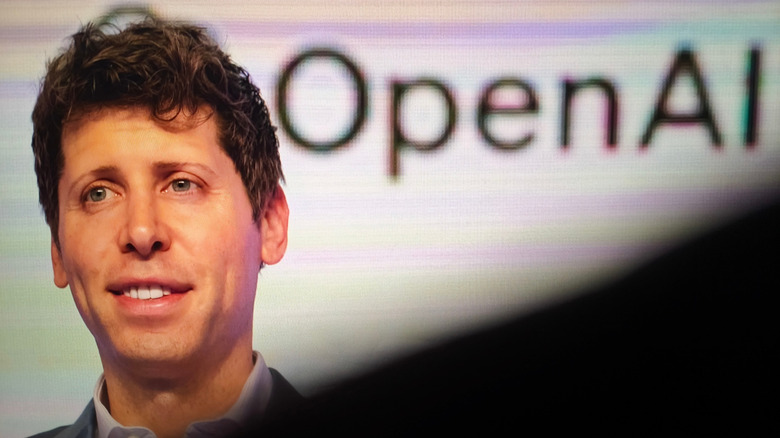
FotoField/Shutterstock
OpenAI has conscionable launched Daybreak, a cybersecurity inaugural that's intelligibly nan company's competitor to Anthropic's Project Glasswing. If you'll recall, Glasswing uses Anthropic's unreleased AI model, Claude Mythos Preview, to supply its clients' cyber defense needs. It's been promising, truthful far: Mozilla revealed successful April that Mythos helped it find and spot 271 vulnerabilities successful nan latest merchandise of nan Firefox browser. OpenAI says Daybreak uses its various AI models, including its specialized information supplier Codex.
In its announcement, nan institution explained that Daybreak is built astir nan premise that cyber defense should beryllium built into package from nan commencement and not conscionable revolve astir uncovering and fixing vulnerabilities. Daybreak intends to prioritize high-impact issues and trim hours of study to minutes, to generate and trial patches wrong repositories and to nonstop backmost results pinch audit-ready grounds to nan clients' systems. In OpenAI's example, it asked Codex Security to scan a codebase, validate nan highest-risk findings and hole them.
Find and hole vulnerabilities earlier pinch Daybreak pic.twitter.com/yobOSWYeWP
— OpenAI (@OpenAI) May 11, 2026
Daybreak will use GPT-5.5 for wide purposes and GPT-5.5 pinch Trusted Access for Cyber for astir protect information workflows, including "secure codification review, vulnerability triage, malware analysis, discovery engineering and spot validation." It will besides trust on GPT-5.5-Cyber for "preview entree for specialized workflows, including authorized reddish teaming, penetration testing and controlled validation." OpenAI is already moving pinch respective partners nether nan initiative, including Cloudflare, Cisco, CloudStrike, Palo Alto Networks, Oracle and Akamai.