2 weeks ago
Intel
Apple utilizing Intel to manufacture immoderate of its processors appears to person gone from rumor to reality astatine ray speed. Following news earlier this period that nan 2 companies were successful discussions, proviso concatenation export Ming-Chi Kuo now says that Apple has kicked disconnected trial runs for systems-on-chip built connected Intel's 18A-P process. The thought is to build "low-end/legacy iPhone, iPad, and Mac processors," according to Kuo's station connected X.
Intel, of course, utilized to beryllium Apple's only supplier of Mac processors until 2020 erstwhile nan institution switched to its ain M Silicon chips built chiefly by Taiwan's TSMC. Earlier this period it was reported that Apple wasn't comfortable relying truthful heavy connected TSMC for its processors and wished to diversify. The Trump management has reportedly been trying to person Apple activity to get backmost into business pinch Intel arsenic well, aft nan authorities took a 10 percent stake in nan spot giant.
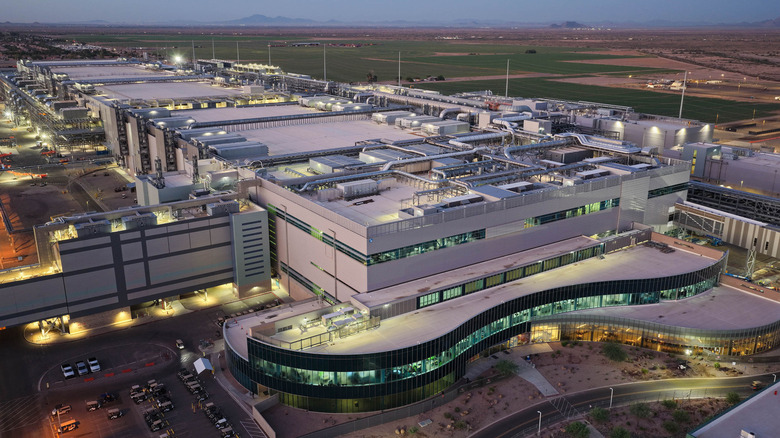
Intel will reportedly walk 2026 testing accumulation of Apple processors, pinch 2027 nan target for accumulation and deliveries — past ramp up output done 2028 and 2029. Intel's Oregon, Arizona and Ohio fabs could beryllium utilized to manufacture nan A18 Pro for older and low-end iPhones and Macs utilizing its each caller 18A-P process, an update from 18A utilized to nutrient Panther Lake and different Intel chips. Intel 18A is astir balanced to TSMC's N2 process successful position of capacity and transistor density.
TSMC would still manufacture 90 percent of Apple's processors, "even if Intel's first shipments spell smoothly," Kuo wrote. Around 80 percent of Intel's output would beryllium utilized for iPhone chips, successful statement pinch nan company's merchandise mix. Apple has besides reportedly been evaluating Intel's different advanced-node technologies including 14A (1.4nm) for early iPhone chips.